Are Heat Pumps a Good Fit for Colorado Homes? Pros, Cons, and What to Know
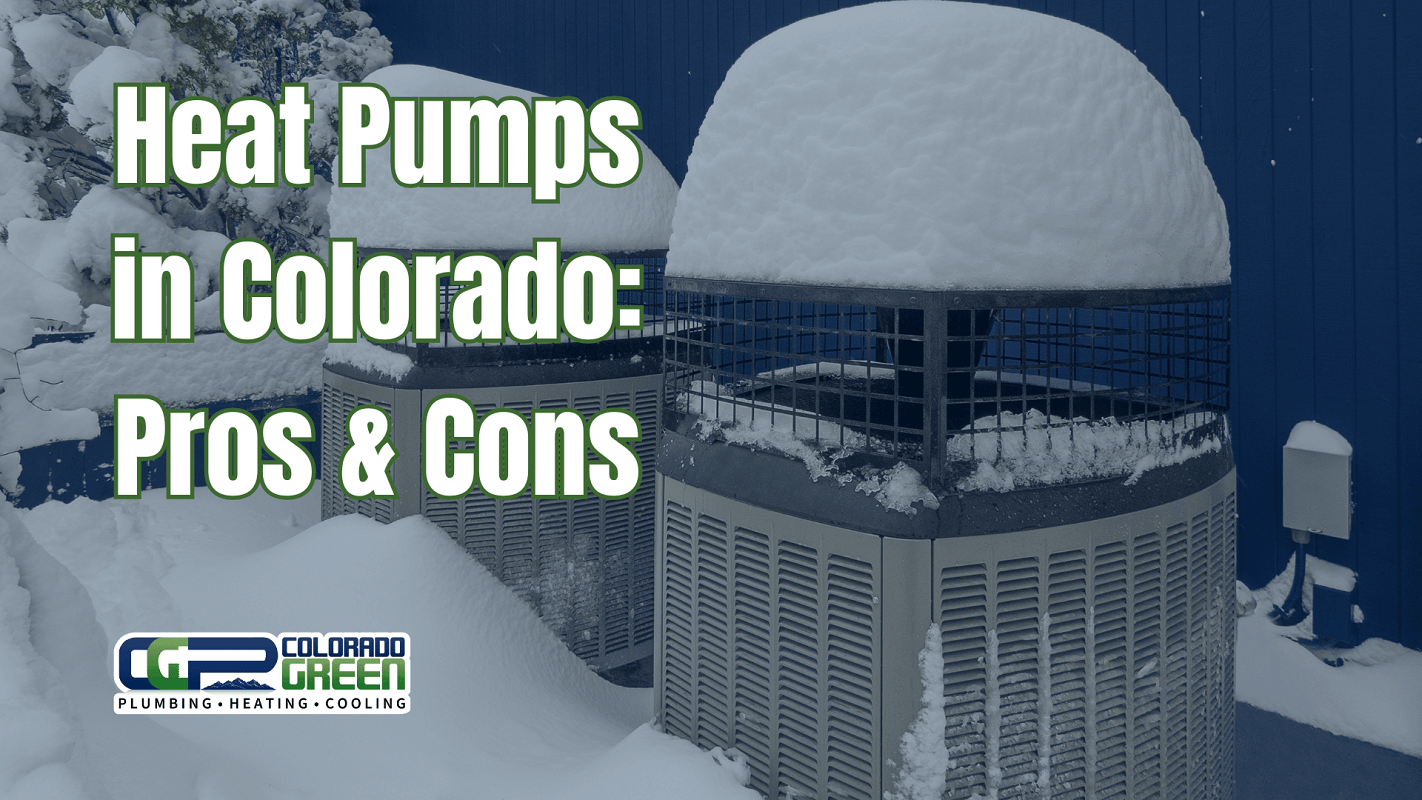
Heat pumps are getting a lot of attention in Colorado. They can provide both heating and cooling, and newer models are designed to work in colder weather. But with our chilly winter nights, sunny afternoons, and weather that can change its mind before lunch, it’s fair to ask: are heat pumps a good fit for Colorado homes?
The answer depends on the home, the equipment, and how you want the system to work. Here’s a look at the potential benefits and trade-offs, and a few questions to ask before deciding.
What Is a Heat Pump?
A heat pump moves heat instead of creating it by burning fuel. In winter, it draws heat from the outdoor air and transfers it inside. In summer, it works in reverse, moving heat out of your home to cool it.
An air-source heat pump can provide both heating and cooling. Some homes use a ducted system that connects to existing ductwork, while others use ductless mini-splits to heat and cool individual rooms or areas.
Modern cold-climate heat pumps are designed to keep operating at low outdoor temperatures. Their heating capacity and efficiency can still change as temperatures drop, so choosing equipment suited to the home and local climate matters. www.energy.gov
Potential Benefits of a Heat Pump
One system for heating and cooling
A heat pump can do both. If you’re replacing an older furnace and air conditioner, it may be worth comparing a heat pump with a traditional replacement and asking whether you can reuse your existing ductwork.
Efficient operation
Because a heat pump transfers heat rather than generating it through combustion or electric resistance, it can use energy efficiently. How much energy it uses, and what it costs to operate, depends on the equipment, outdoor temperatures, utility rates, and how well the home holds heat.
More than one way to configure the system
A heat pump doesn’t always have to work alone. In a dual-fuel setup, it works alongside a gas furnace. The heat pump can provide heat in milder weather, while the furnace takes over when temperatures drop or when the system is set to switch over.
Whether that arrangement makes sense depends on the home, equipment, and operating costs. A contractor can explain the options and how each system would be set up.
Solar panels may help offset electricity use
If you already have solar panels, or are considering adding them, solar may help offset some of the electricity your home uses to run a heat pump. If you’re planning both upgrades, ask whether the solar system is sized for the home’s expected heating and cooling use.
The amount of electricity your panels produce depends on factors such as system size, roof direction, shade, and sunlight. Your home may still draw electricity from the grid when the panels aren’t producing enough, and utility billing rules affect how extra solar power is credited. Solar can help, but it doesn’t automatically mean a heat pump will cost nothing to operate. www.energy.gov
Possible rebates or incentives
Utility rebates and state programs may help lower the cost of some qualifying installations. Rules, eligible equipment, and rebate amounts can change, so check current program details before deciding.
For example, Xcel Energy has a residential heat pump rebate program with equipment and installation requirements. Colorado’s heat pump tax credit is structured around registered contractors providing a qualifying discount on the installation. Ask your contractor what currently applies and how any discount will appear on the estimate or invoice. tax.colorado.gov
Potential Drawbacks to Consider
Upfront installation costs
The installed cost depends on the equipment and the work needed to connect it to the home. Electrical or ductwork changes may increase the project cost. A rebate may reduce the cost for some homeowners, but compare complete estimates and make sure you understand what each one includes.
Cold-weather performance varies
Heat pumps can operate in cold climates, but different models have different heating capacities and efficiencies at low temperatures. An undersized system, a poorly matched system, or one not designed for local winter conditions may struggle to keep up.
Ask which model is being proposed, how it performs at low outdoor temperatures, and whether backup heat is part of the design.
Your home may need updates
A contractor should evaluate the home’s heating and cooling needs, ductwork, insulation, and electrical service. Some installations may need electrical work or duct adjustments. Addressing air leaks or insulation issues can also help the system maintain comfort.
Proper sizing matters. The right system depends on the home’s heating and cooling needs, not just the square footage on a listing sheet.
Monthly costs vary from home to home
A heat pump may use less energy than some other heating systems, but that doesn’t automatically mean every homeowner will see lower bills. Monthly costs depend on utility rates, system settings, backup heat use, and the home’s efficiency. Before choosing a system, homeowners can review their utility rates and past energy use, then ask the contractor how the proposed equipment’s efficiency and backup heat may affect electricity use
Is a Heat Pump Right for Your Colorado Home?
A heat pump may be worth considering if you need a new heating and cooling system, want one system to handle both jobs, or want to compare an all-electric setup with a dual-fuel option. It may be less straightforward if your home needs substantial electrical or ductwork upgrades, or if the proposed equipment isn’t suited to the home’s heating needs.
Before choosing, ask a qualified HVAC contractor to review:
- The home’s heating and cooling needs
- How the proposed model performs in cold weather
- Whether existing ducts and electrical service are suitable
- Whether backup heat is recommended
- Estimated installation and operating costs
- Current rebates or incentives and their requirements
- Whether your solar system, if you have one, is sized to help offset the added electricity use
Heat pumps are an option worth understanding, but they aren’t a one-size-fits-all answer. The best choice is the system that’s properly matched to your home, your budget, and the way you want to heat and cool it.
Colorado Green Plumbing, Heating & Cooling can help you compare heating and cooling options for your home and understand what to consider before replacing your equipment. Contact our team to discuss your project and schedule an estimate.
Helpful Resources: